
How to create an online course and make it awesome
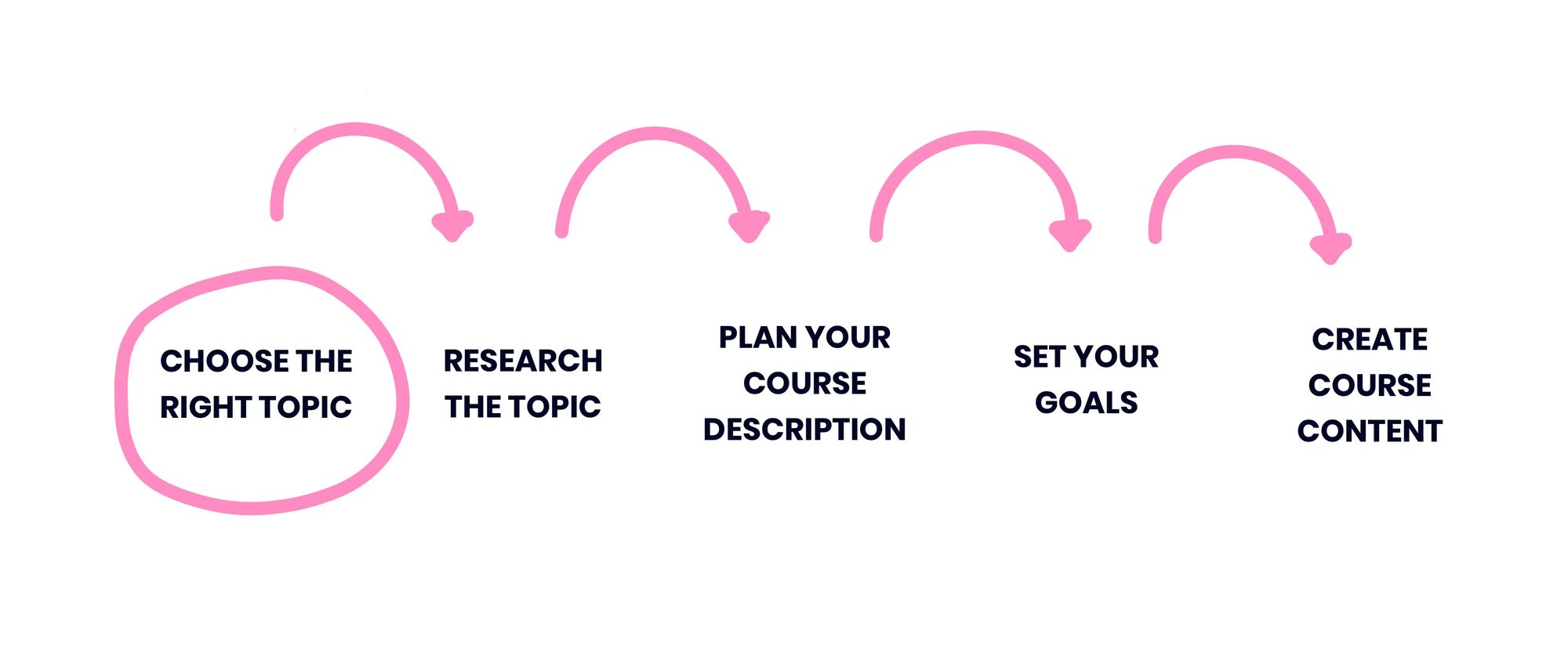
The standard method for creating the online courses is to create the course content, distribute it on a website and write the grade assignment in a manual manner as. However, does it mean that you need a website, a team, an editor, as well as a teacher, to create an outstanding course? So, if you don't have these skills to help you develop an outstanding online course, where do you begin? There's no better method to show your expertise than making an online course that sells.
In teaching your subject it is clear without a doubt in the universe that you are knowledgeable about the subject you're addressing and you're proficient when it comes to what you're doing, and that you're an expert with years of experience in your subject.
Online learning is an important element of every businessperson or expert's devices like a website and business cards.
The most effective and efficient ways to take your knowledge to the world, achieve an impact bigger and earn more through downloading information that's in your mind and transforming the expertise into an effective lead generation that is profitable and impactful online class.
In this piece, we'll offer an outline of the key 10 elements of creating an online course:
1. Pick the Perfect Course Subject
Your course topic is something that you're passionate about. If you're not totally enthusiastic regarding the topic, it'll appear that you aren't interested in the topic and make your course similar to the contents of the contents of a cardboard sandwich.
Take note of the skills or capabilities that you possess and your life events you've experienced. Don't think that you have to teach at the level of a university to earn money from selling your courses. The possibilities for subjects are endless.
Simply put, you are passionate about the subject you are studying or have the desire to learn, skilled in your field and have previous experiences (formal or private) with it, and are able to satisfy the needs of an individual, you have an area of competence as well as experience that you could offer to potential buyers.
On a sheet of paper, write down your thoughts that come to mind, which reflect your skills, passions and knowledge. Once you've done this, identify the top 2-3 topics where your passions/interests, your skills, and your experience/achievements intersect.
People won't take your course because they love your product or service. Students enroll in online courses in search of the possibility of changing their situation to the future they wish to live.
It's important to pick the topics with an interested audience who are willing to spend money to find more. This is the subject which we'll cover in the next section.
2. Be sure that your idea for a course is in high demand on the market
Are you aware of anyone that would love to spend days designing an online course for no one to purchase it? Nope. I hadn't even thought of the idea.
If you've chosen the subject for your online class, the first step is to do some market research to determine whether your course will be of interest to others. Most course developers fall into the trap of being adamant that if there's plenty of competition in their field and their course concept isn't going to be a success. In reality, this indicates that there's a high chance of having a huge demand from the market for this course concept and it is worth investigating further.
A few of the signs you should be looking out for are:
- Are there anyone searching the internet for this and seeking information for information?
- Are there gaps in what competitors are providing?
- Is it possible to pay someone else to solve the issue that your course addresses?
If the answer to these questions is"yes," and your course is similar, but distinctive from the other courses available If so, then you've got an concept for a course that could become an instant hit.
If you're only beginning Here are some tips to aid you in determining the necessity for your online courses.
Are there anyone who are looking for it? And do they have any questions?
The search volume can be a great method to confirm the need for a particular topic on the internet. It's possible to utilize the Google Keyword Planner for free through Google advertisements. (And you don't have to pay for ads in order to use the tool.)
Input your keyword and get an insight into the amount of users searching to find your ideas for an online course. It will also provide suggestions for other keywords that could be used to find your online course.
It's evident that it's a very well-known subject, and it's also a bit fiercely competitive. Also, you'll notice that "Free yoga classes available on the web" isn't quite so competitive. this could make a fantastic lead magnet that will draw your customers to sign up for your newsletter.
What kinds of questions do people have about your subject?
Below are a few ways to determine the most effective approach to convey the notion of an online class:
- Consider searching for your topic through Reddit and Quora or discover what's available and how often.
- If you're a member of any of the Facebook group or more likely, you've got one, go through them and search to gain a greater knowledge of the problems that members in your group have to confront. (AKA social listening)
Do you see a need for the online courses that online competition provides?
It is essential to distinguish your offering from the other options in the marketplace. So, conduct some investigation to find out who your competition are, and also the products they offer. You're probably not the first to have an idea. There's a good chance that you can tackle a subject in a different manner and with a completely different target audience.
Can someone pay to resolve the issue how the course is addressed?
There are many options to make sure you have the ability to market the online course you offer:
- The best way to sell your course good option to stay clear of the scenario that comes with creating courses nobody buys is making it accessible for purchase prior to launching it! The marketplace for courses are flooded prior to being created often. This is among the best strategies to begin with the web-based version of your class. (We'll give a few tips for promoting courses towards the end of the blog)
- Competition - If there are other companies offering the same online program, it's something to be worried about! It means that you have a potential revenue stream which you can profit from. Marketplaces that sell online courses can be an excellent location to look around and look at what's on the market. They are a fantastic marketing tool to complement your primary online course site.
- Engaging your audience If you're not engaging your audience and interacting with them, you're missing out on many valuable insights. Talk about their concerns with them and determine if they'd like to invest in an educational course to deal with their concerns.
- Keyword Research - Using the keyword planner of Google and analyzing how many people are looking for similar courses on Google.
3. Develop Magnetic as well as Compelling Learning Final Results
It isn't a mistake to undervalue the importance it is to consider the outcome of learning. If you don't do this when creating on-line courses, you may end up compromising your reputation or your business's profitability, not making the process of creating the course.
Online courses provide a way for your students to move from their current situation to their ideal future.
Would you consider donating your cash to someone else for an item you don't know about and have no clue what it could do for you? Of course not.
Although you are aware of the advantages your course can provide your students, it doesn't necessarily mean they'll know. If they don't understand what your class will accomplish to benefit them, they're less likely to take the plunge and sign up.
Learning outcomes define clearly quantifiable what the students are capable of doing in addition to feel and be able to comprehend by the end of the course.
- What abilities are they capable of demonstrating?
- What new knowledge do they have accumulated?
- What feelings will they experience after being left or moved to?
A clear understanding of the learning outcomes will guarantee you that only the highest-qualified students enroll in your class , which can bring more happiness and more completion rates, and less request for refunds.
4. Find and organize the Content of the Course
This is the point at when the vast majority of course designers begin to be at risk of becoming procrastinators.
The reason why we're with this dilemma is because of the vast quantity of data in our heads or within our textbooks , as well as within our notespads on drives or notebooks, etc. The challenge at this point isn't only about what needs to be taught in our courses however, it is as well about what can be best not included.
The research you carried out in the phase of testing the market and learning outcomes that you've accomplished are now able to help you for the next time. As you go through the various piles of data get rid of items that don't relate directly to the achievement of a particular outcome.
In addition, make sure that each lesson is based on information that aligns with the.
You should only add content that can provide answers to your readers' most pressing questions, or fill in gaps that are not being filled by the competition.
It's easy to follow if there is already content and a following like an online community for instance on Facebook, a blog, or a YouTube channel. Discover what your most popular content have is, then put it into an organized educational user experience.
5. Create your Modules or Course and Course Plan Your Course
It is here that you'll examine your material and begin organizing your most common thoughts, topics, and ideas into segments. After that, you organize the modules' lessons in the most logical and rational way to create an encapsulated sequence of classes.
Here are some suggestions to get you started:
Plan your studying using an instructional design and a storyboard.
An Elearning storyboard could save you lots of time in the design of your instructional course. This can keep your training focused and assures you've covered the most important components of the learning process before you spend hours working creating an online course of learning.
They are not just tools used to arrange videos. They can be used to map high-level learning concepts. For instance, you can draw out your student's educational targets using a storyboard that covers all levels of proficiency the students need to master throughout their journey.
From this point, you can begin planning the courses you'll have to develop in accordance with the themes you've created.
Consider how you will organize the online classes and the whole academy
Most online course creators don't plan to create just one on-line course. This will likely create an academy offering many courses and that's the best method to approach it.
It is the most efficient method to organize your courses on the internet. The method is able to be employed for building a school
Let's say that the objective of your establishment is to assist people in mastering the art of food preparation, there could be a sequence of courses that will help you become a chef of the highest quality and also include
- An instruction course for finding baking supplies, with an article on how to find baking ingredients compatible with your particular food preferences. Also included is an instructional video about how to source bulk ingredients.
- Learn how to chop food items with no risk of cutting your fingers complete with chapters on the best knives for all situations and video lessons that demonstrate techniques to cut your vegetables.
This is the way an online academy of classes is organized visually
At this point, you can begin creating individual courses.
Create a course outline
An outline of your course is the blueprint for your online class and the way it will take students from one point to the next. It can help you provide the information to your students efficiently and in a structured method, while laying down abilities on top of one other until they complete the course with the confidence of an experienced instructor.
Planning individual lessons
When making an outline of your class, it's beneficial to begin by asking a few basic questions to establish what the objective of your lesson.
- Do your pupils are informed?
- What exactly is it they must be able to
- How can you best use it to protect it?
6. Determine the Most Engaging and Effective Delivery Methods for each lesson
It's time to make a decision on which method is the most effective to display your content.
It's important to understand the various concepts that are applicable to adult-led education, the various ways to learn and possible ways to deliver your education in order to make sure that your teaching is as thrilling as it could.
- Do you have video, reading material or even activities? What about audio-based content?
- What sort of images do you see?
- Do you plan to create educational areas for the community?
- How do you make your class enjoyable and interesting?
- What can you do to help learners with differing ways of learning?
You must ensure that you've got the right mix of audio, visual, and practical methods to make sure that everyone participates in the most efficient training.
Plan your course with various capabilities and styles of learning that you can imagine in your head.
Much thought goes into the planning of an online class. It's about the way it's designed, how the material is delivered and accessibility concerns to students who have disabilities.
What do you think your online course should be?
The optimal duration for an online course is the least duration to take learners from A to B. (The shorter the distance longer, the more efficient).
Although this data can be useful for providing a broad understanding of the length of the courses as well as how they operate we'd like to make clear one point: course length is not a factor in the growth of the revenue.
Certain aspects that could determine the length of your program and the amount you earn could be affected by:
- The subject is a bit complicated. A course in rocket science could be more time-consuming than a course on how to get the most nutritious local foods.
- Course lengths that are required in order to be able to receive continuing education credit in the event that you want to have your program accredited for continuing learning, students may need to complete a certain number of hours.
Consider the most effective way to package your content
There's no one-size works for all approach to designing an online learning program. Many times, an introductory course may be as potent as an extensive online course.
There are two elements that could make an online course either easy or difficult for students to comprehend.
- The content is either massive or heavy. For example, complex course material.
- packaging that is bulky or unwieldy. Course material is presented in a cumbersome, complex, awkward, or unintentionally awkward way.
The worst way to go is to describe an issue in a terribly complicated or difficult way.
Imagine social components like cohort-based learning, learning communities, and learning communities.
Humans are social animals and a lack of social interactions is one of the main challenges for students who are self-paced online.
Think about the creation of an online community of learning with your student in order to create significant connections between your students and you. Learning communities complement online courses perfectly because they enable social learning, peer-to-peer support, and student-to-instructor support.
They also aid in the process of accountability as students are assigned or placed in groups for activities that require collaboration , and they hold one another accountable for the learning goals they have set.
In the last few years, we've witnessed a rapid growth in the popularity of co-learning within the online course industry. It differs from self-paced education in that it focuses on cooperation and teamwork, not an individual approach to content consumption. There are numerous benefits to your students as well as for you as the course creator.
The classes that are based on a cohort can be harder to handle, however students can be awestruck their experience. Thanks to the best education it is more expensive to take a course built around a group rather than the online class that is self-paced.
7. Editing, recording and filming the Online Course
This is the phase of production.
You should now have an extensive course outline and the entire course material and know exactly how you plan to present each component in your course on the internet.
The fun part: being present on the screen. Of course, the way you teach your classes will depend on how your target audience prefers to be around and also the methods that will aid them in learning the most efficiently.
For the time being, the most efficient method for delivery is through video.
This might be it's a "talking head' video, which occurs when you are recording. Also, there are green screen' videos of talking heads.
This means you're filming with green background before you. Contrary to that green background. There could be something else to the left of you when you are editing. Backgrounds could include a video behind you or animations, or even the image. I favor the green screen since I am able to have my PowerPoint slides in front of me while I edit them post-production. It is perfect for my classroom-style training
Another option is screen recording which is when you capture your computer's screen. You may choose to add an online camera-style image of you over this.
Finally, you can make a voiceover recording in which you record the narration of the event.
You can learn ways to edit your video quickly and easily.
You can quickly cut, edit and replace the green screens and adjust the sound and even add pop-ups, logos and pop-ups to your videos. You can save them as MP4s and then upload them into your online learning platform.
8. How do you setup an online school
First step is to understand that you can use three principal ways to market your online course.
- Online course marketplaces
- Systems for managing teaching and learning
- Plugins or software that are installed on your website
There's a huge distinction between grouping platforms and separate platforms.
9. Finding the right pricing strategy and feeding it into the bigger education-based business model
It's likely you've thought of how to best structure your online course that can integrate into the business model.
- It could be just a no-cost lead magnet to the main service or product?
- It can generate revenue by itself?
- Will it serve as your primary source of income?
- Are you selling memberships, or membership to an online group?
All of this means that your course has to be developed in a unique method and offer a distinct degree of benefit, employ different methods of marketing and put your students and followers into completely different channels.
This will significantly affect the amount you'll need to determine for your online course to ensure that it's in accordance with where it's located in your company.
There isn't an either-or neither or any set price for online courses , as it all depends heavily on your content and the information you're sharing.
As a first step I'd suggest that you analyze and compare your product against comparable offerings on the market. Examine what your competitors are charging for their products to figure out ways to make yours unique and more successful. Once you've improved the value of your product, and priced the product a bit more expensive.
Don't make it a point to price your item lower as it could make it appear like yours is worth more than the competition.
How do you price the online courses you offer: What you should know prior to launch
There are a few reasons you should not reduce the cost of the online courses you provide:
1. This could limit your opportunities for market share and affect the performance of your students. A low price for your online course can significantly reduce the effectiveness for your class.
2. It's as difficult to promote a cheap course as it takes to market an expensive course. the process of attracting customers to purchase is slightly easier when you're selling priced lower and you won't be able to market more courses as it is possible to do by offering them for a lesser price.
This article will explain why. about pricing online training course elaborates on a few scenarios using five dollars per lead, and the conversion rate is five.
3. It is not advisable to invest in expansion if your margins aren't sufficient. The fact that you are offering an online course for an unpopular price can limit its potential to advertise it. If you're offering a program at a cost that's low for your course, you're more likely to be losing money rather than making an income in the event that you buy advertising.
10. The launch and the ongoing marketing
If you believe that your task is over once you've finished your online class, think again. this is the perfect right time to begin!
A lot of course creators fall into the trap of believing that once the course is developed that they now have a revenue stream. It's crucial to develop an approach to launch and a ongoing marketing strategy to promote the course, and generate leads.
- Are you planning to provide discounts for early bird customers?
- Are you using a successful marketing plan to help you market your online courses?
- Do you plan to run advertisements?
- Do you have a the target list of individuals you can market to?
- Do you have the ability to work with people of influence?
- Are you planning to manage your affiliate program?
- What do you think of social media?
You must have at the minimum , an 18-month-long plan of marketing to promote your online class. Also, be aware that the moment you stop marketing, it's the moment you end selling.
Article was posted on here